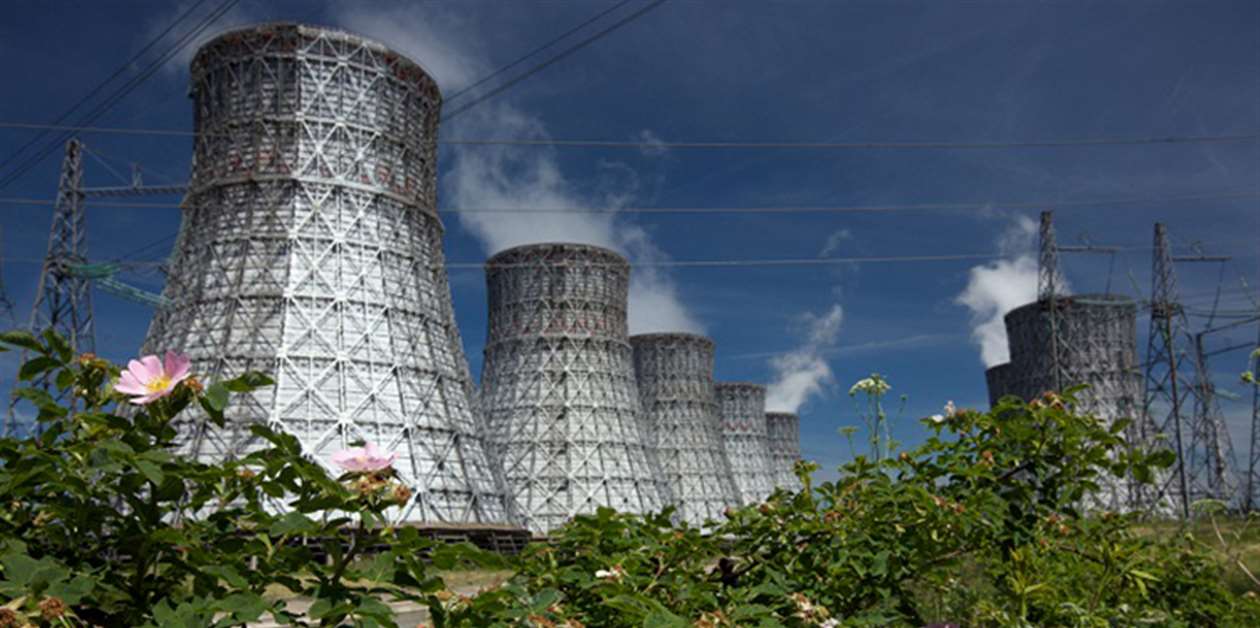
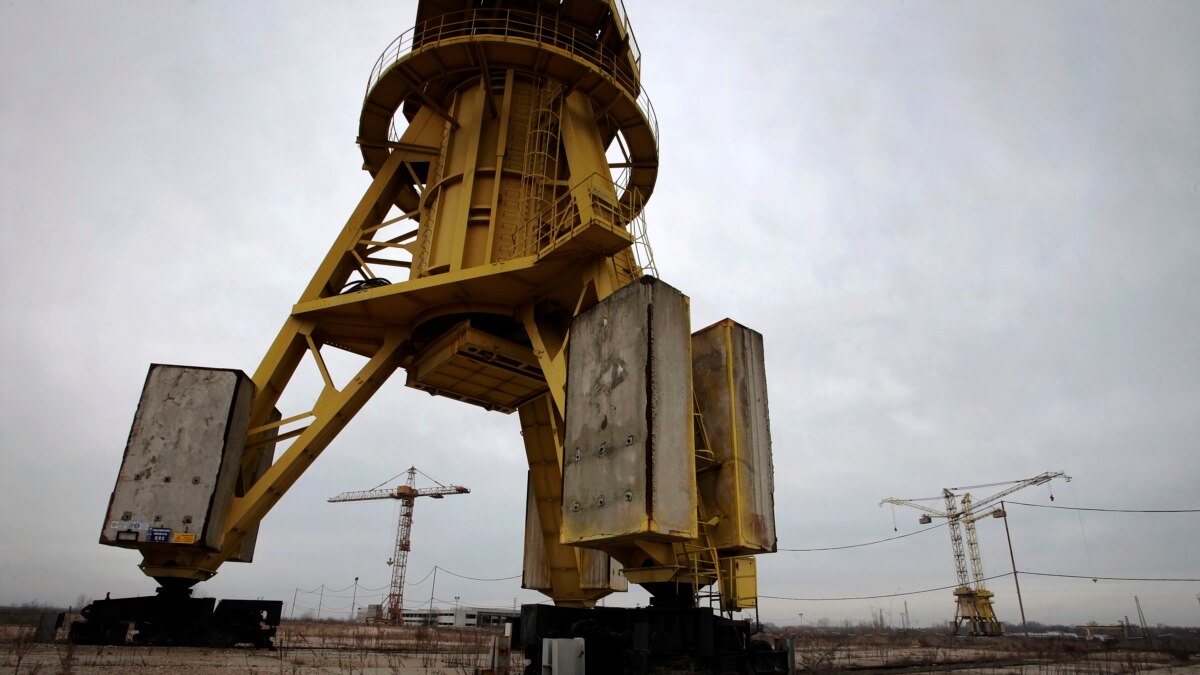
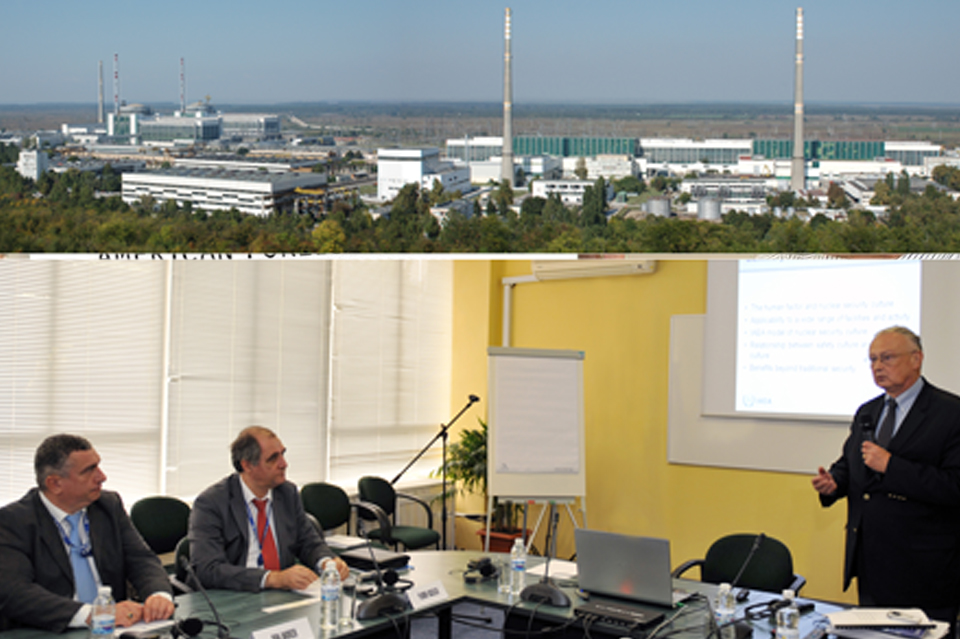
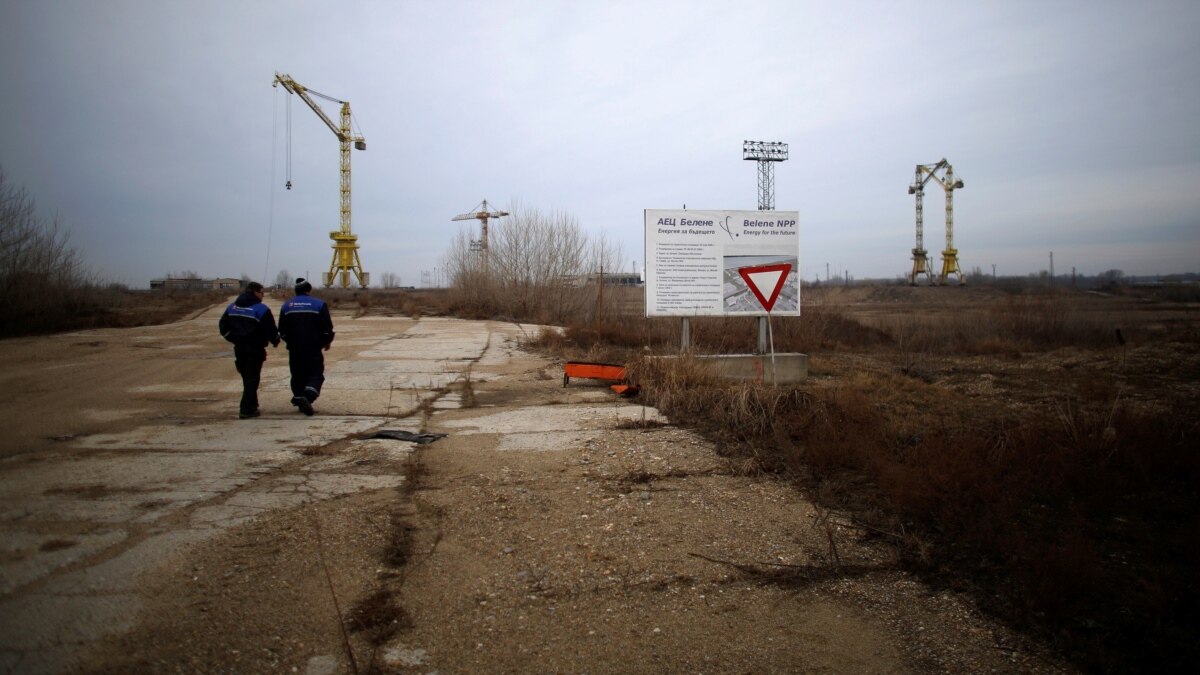
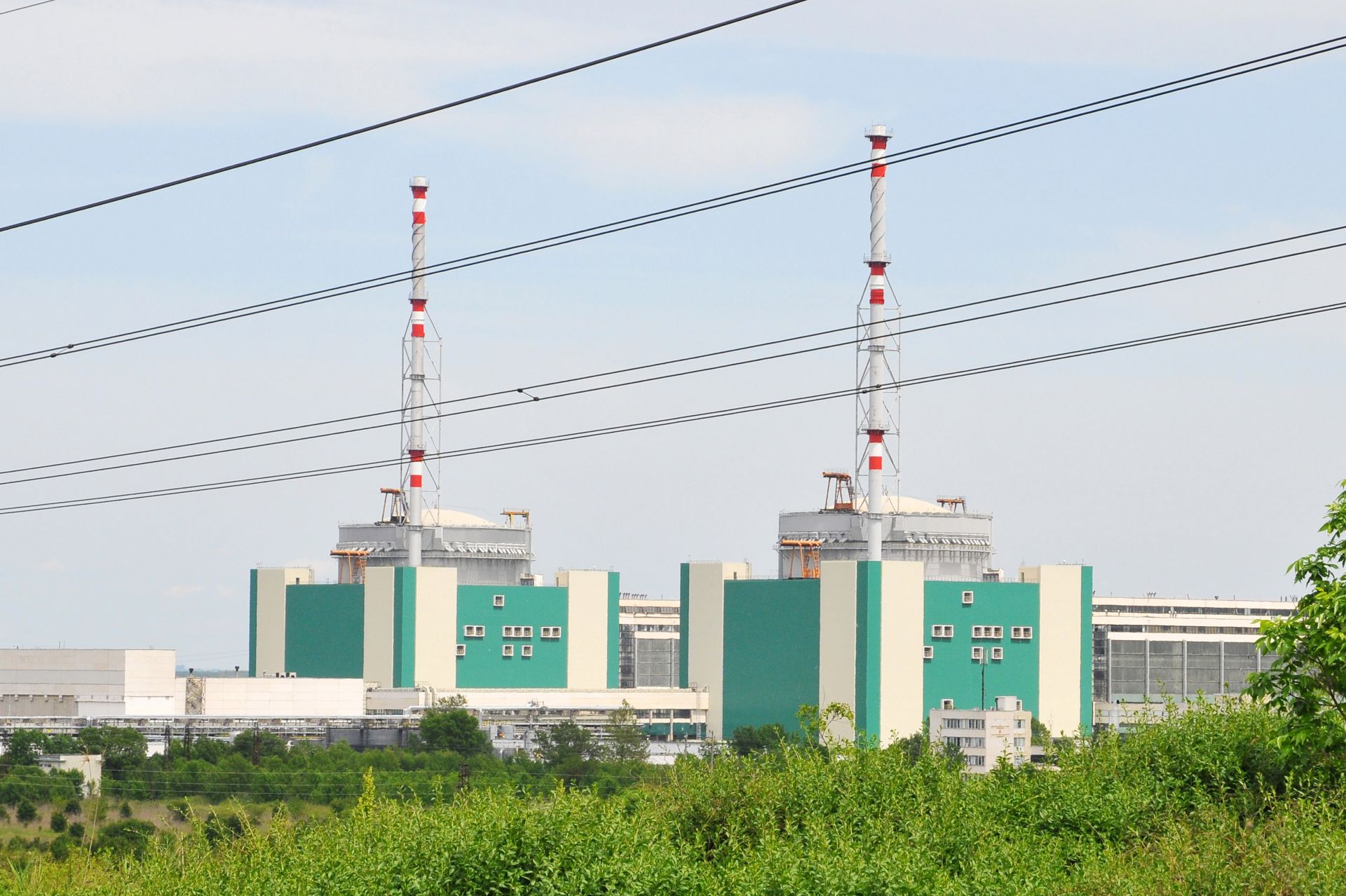
Nuclear power generates about a third of electricity in Bulgaria. Bulgaria's first commercial nuclear reactor began operation in 1974. The Kozloduy NPP operates two pressurized water reactors with a total output of 1906 MW. This makes Bulgaria the 21st-largest user of nuclear power in the world. Construction of the Belene Nuclear Power Plant was officially terminated in March 2012, and a thermal powerplant was supposed to be built on the site. Efforts in May 2018 to restart the Belene project were unsuccessful. As of 2022, Bulgaria plans to construct new reactors at the existing Kozloduy site, and at Belene.
Bulgaria has the Kozloduy Nuclear Power Plant with two pressurized water reactors (together 2000 MW net). Four old and unsafe VVER-440/230 reactors (4 x 408 MW net) were taken off-line in 2004 and 2007). The two active reactors cover almost half of Bulgaria's electricity demand.
Radioactive waste
Bulgaria has a state agency in charge of radioactive waste disposal. Under a 2002 agreement, Bulgaria pays Russia $620 thousand/ton to reprocess spent fuel. The country also spent €49 million to construct a new storage facility and had plans to build another facility by 2015 but it didn't happen as predicted.
Reactors
See also
- Energy in Bulgaria
- Politics of Bulgaria
References
External links
- Uranium Information Center: Nuclear energy in Bulgaria
- Bulgarian Subject Files - Ecology: Nuclear Power Plant at Blinken Open Society Archives, Budapest
- World Nuclear Association Report on Bulgaria's Nuclear Energy History and Present Archived 2009-01-21 at the Wayback Machine